Metal Forming

Our contribution to the global market is much more than a footprint. Metal processing machines are indispensable for many industries in the world in the metal manufacturing process. For over six decades, AKYAPAK's deep expertise in metal forming technology and machine design has positioned the company at the cutting edge of the industry, commanding worldwide recognition amongst manufacturers seeking the most reliable and intricately engineered machinery. AKYAPAK's machines have not merely amplified metal fabrication, but they have also significantly contributed to job creation and economic growth all around the world.

Bend, Make Perfect and Continue

Today, AKYAPAK machines serve as a robust backbone, delivering unmatched precision, durability, and reliability to industries across the globe. Their notable contribution has redefined the playing field for manufacturers everywhere, positioning AKYAPAK as an indisputable leader in machine design. AKYAPAK's metal forming machines have gained extensive use in a wide array of industrial and manufacturing processes, solidifying their status as essential tools for industries in this modern era.

Plate Rolling

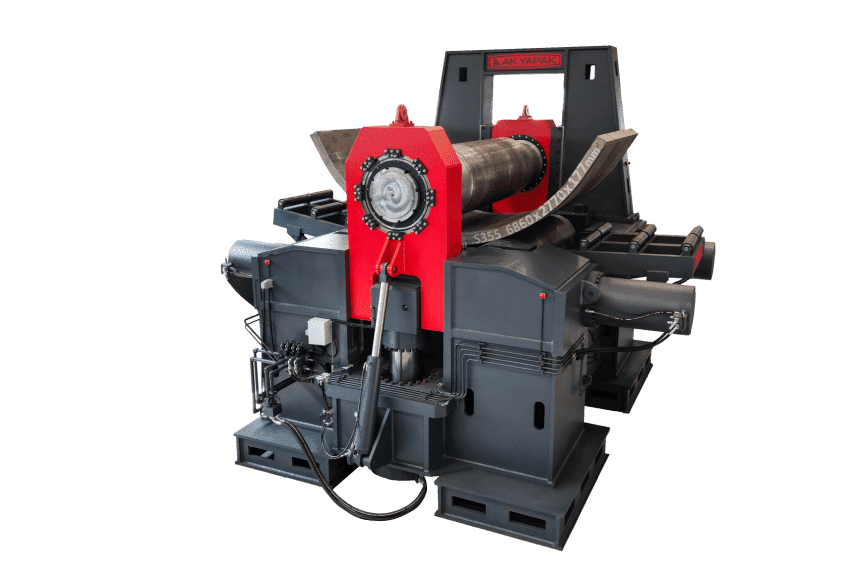
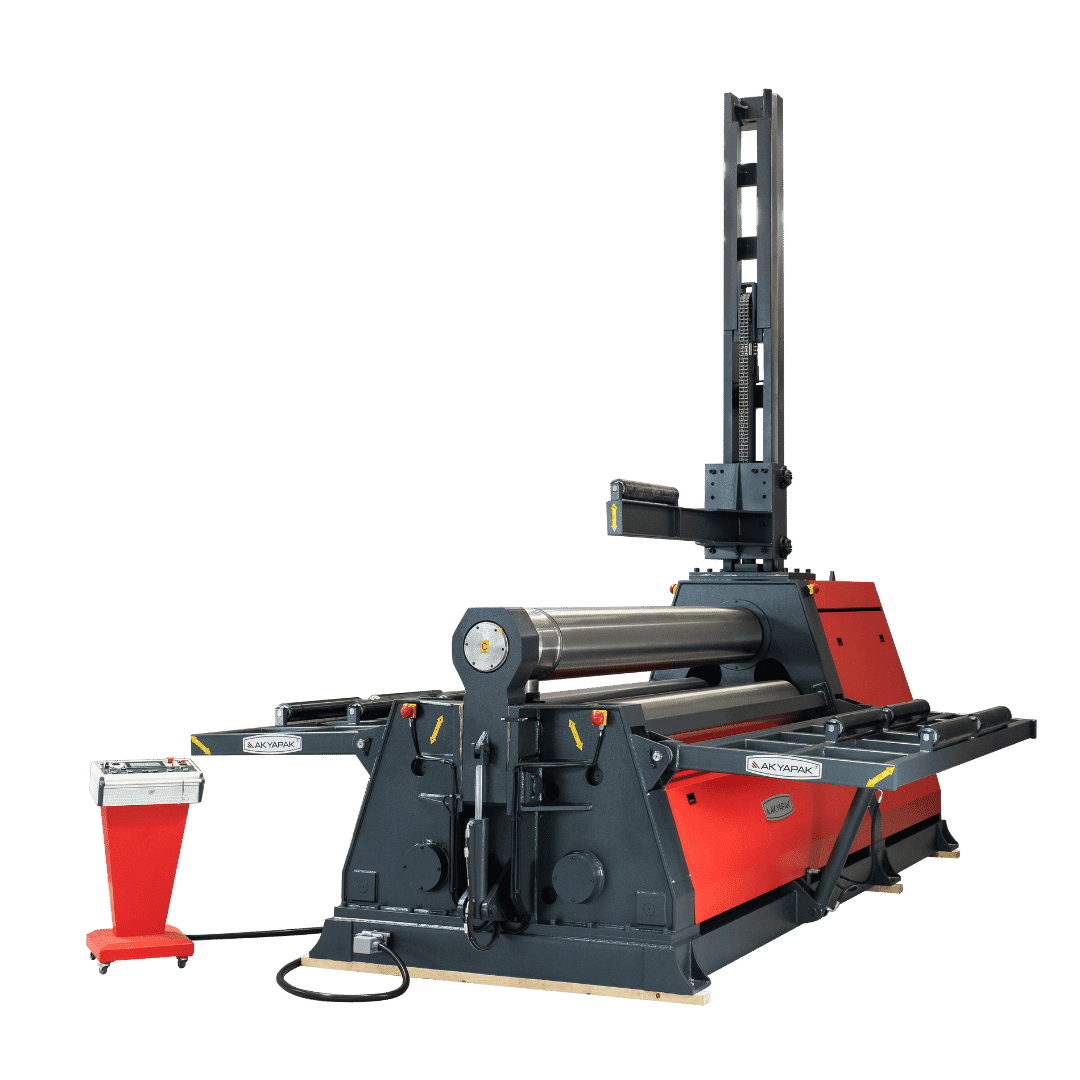
Plate rolling is a type of metal bending process, which involves twisting, bending, rolling and rotating various parts placed within a plate roll machine. Plate roll machines convert flat sheets of metal into various cylindrical, round, multi-radii, cone and ring shapes to create parts for pipes, tanker trailers, buckets, pressure vessels and other industrial equipment. Commonly known as a foundation element of metal fabrication, plate roll machines are used in many industries around the world.
Plate Rolling
What to pay attention to when buying a plate roll machine?

What to pay attention to when buying a plate roll machine?

Plate rolling machines are significant investments, so due diligence should be taken to ensure you get the right machine for your specific needs. Material Type: The type of material to be rolled can influence the choice of machine, as different materials require different pressures and techniques. Mechanical Properties: Properties such as yield point and tensile strength will dictate the type of machine suitable for the material. Material Thickness: The thickness of the material determines the capacity of the machine. Thicker materials would require machines with greater capacity. Material Width: The material's width will influence the machine's length. Wider materials need longer machines. Minimum Bending Diameter: The smallest diameter to be rolled will also factor in choosing the machine.

Angle Rolling

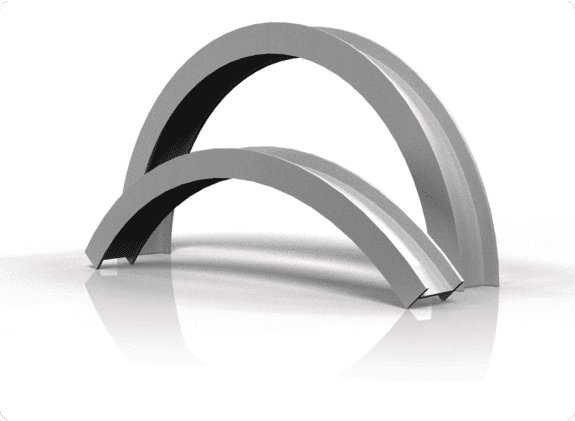
An angle roll machine, also known as a bar bending machine or section bender, is an industrial equipment designed to roll or bend a wide variety of bars, such as angle iron, T-Beams, U-Beams, I-Beams, and tubes, into specific shapes or angles. This can be achieved through three adjustable, precision-made rollers, one top roll and two bottom rolls, which exert pressure on the metal section to obtain the desired curvature. Angle roll machines find applications in many industries. In the construction industry, they are used to shape metal sections for building frameworks and roof structures. The automotive industry uses them to manufacture car chassis and frames. In the shipbuilding industry, these machines are vital in bending metal plates for hull construction. They are also widely used in the production of boilers, storage tanks, and pipelines in the petrochemical industry. Other applications of angle roll machines include making parts for heavy machinery, railway vehicles, aircraft bodies, wind towers, and furniture.
Angle Rolling
Tube Bending

Tube Bending

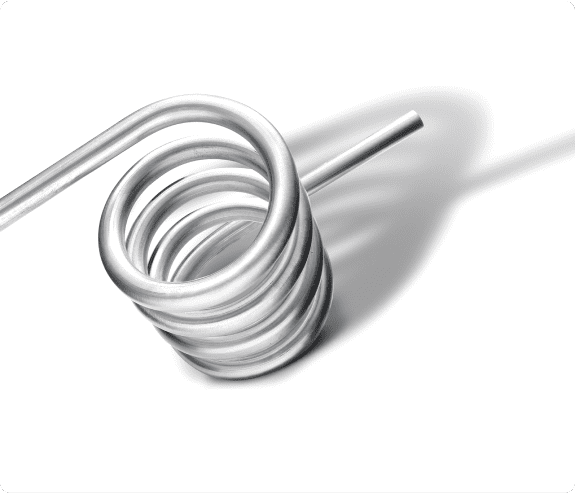
Tube bending machines have a wide range of applications across multiple industries. In the automotive industry, they are used for forming exhaust pipes, fuel lines and other tubular components. The aerospace industry uses these machines to create components for airframes and engines. In the construction sector, these machines are used in bending tubes for structural and architectural applications such as railings, frames, and supports. Additionally, the oil and gas industry utilizes tube bending machines for forming pipes for transportation and processing purposes. Other industries that extensively use tube bending machines include HVAC, shipbuilding, furniture manufacturing, and the medical equipment industry.

Dishing

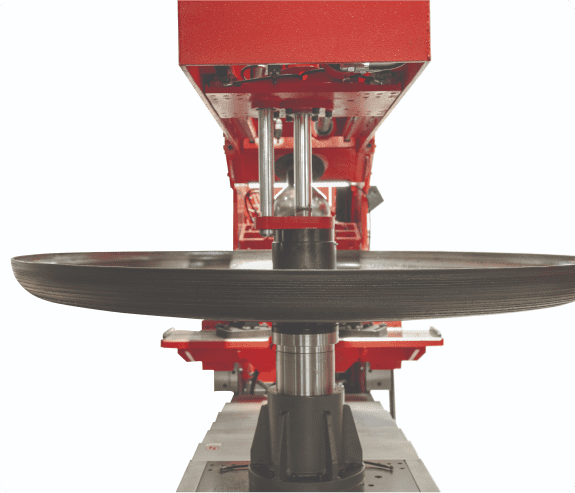
A dishing press machine is an industrial device primarily used to create a dished or a rounded shape in various metals through a process known as dishing. Dishing is a manufacturing method that creates a concave or convex surface on a flat sheet of steel or aluminum for forming a variety of workpieces such as vessel heads, and tanks. Several types of dishing press machines exist, including the hydraulic dishing press machine, which utilizes hydraulic pressure to dish material; the mechanical dishing press machine, which uses a mechanical boom force; and the CNC dishing press machine, which is computer controlled for high precision. Applications of dishing press machines are widespread across a variety of industries. They are used extensively in the fabrication industry to manufacture components such as boilers, ships, and pressure vessels. Other industries using these machines include the petrochemical industry, for the production of oil and gas tanks; the food and beverage industry, for creating large mixing and storage vessels; and the automotive industry, for shaping various parts of a vehicle. These machines have different specifications such as maximum pressure, ram stroke, and table size. The choice of a dishing press machine largely depends on the desired end product and its requirements in terms of size, shape, and quality. These machines are designed for high-speed, high-precision dishing and often come with various advanced features such as programmable control systems and automated loading and unloading systems for efficient and consistent production.
Dishing
Flanging

Flanging

Flanging machine is an industrial machine used primarily to shape and bend metals such as steel, stainless and aluminium through a process called flanging. Flanging is a method that creates an edge on a workpiece to strengthen the part, allow for the joining of other components, or for aesthetic purposes. Tube and pipe flanging machine, which creates flanges at the ends of pipes or tubes; sheet metal flanging machine that forms flanges on metal sheets; There are various types of flanging machines, such as the radial flanging machine, which creates a flange around the radial beam of a part. Applications of flanging machines are popular in various industries. Flanging is commonly used in the automotive industry to produce car body parts, in the aerospace industry to produce aircraft body parts, in the heating, ventilation and air conditioning (HVAC) industry for duct fabrication, and in the oil industry. Other applications include construction equipment manufacturing, railway vehicle manufacturing, and household appliance manufacturing. These machines have different features such as maximum thickness, flange width and machine speed. High-speed, high-precision, and high-quality flanging is essential for many modern industrial applications, so our machines often have a variety of advanced features to meet different requirements.

Plate Straightening

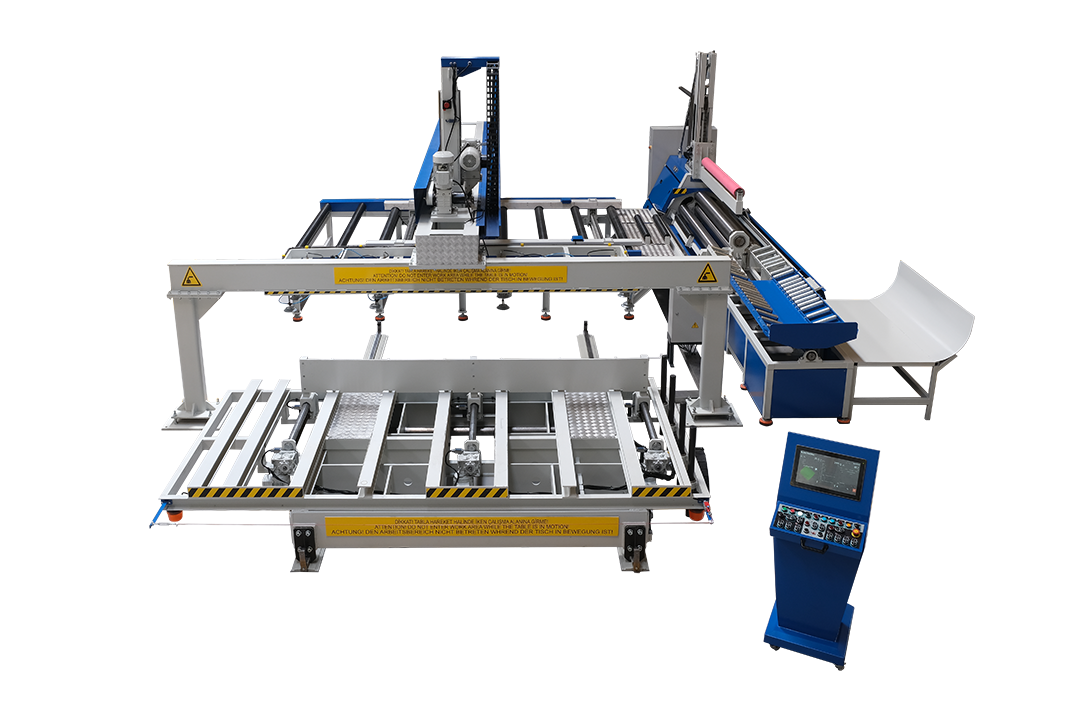
A plate straightening machine is an industrial tool predominantly utilized to rectify and flatten metal such as steel and aluminum. The process involves the reduction of surface irregularities and the production of a completely straight, uniform plate. The aim of this process is to eliminate distortions and improve the strength, stability, and appearance of the material. Various types of plate straightening machines are available, each tailored to suit a different range of material thickness and widths. Examples include sheet metal straightening machines, used to straighten thin metal plates; heavy plate straightening machines, which straighten thick, large-scale metal plates; and precision straightening machines, designed to straighten small, precise plates with minimal tolerance for deviation.
Plate Straightening
Main application areas for these machines

Main application areas for these machines

AKYAPAK machines find diverse applications in various industries, serving as indispensable tools for metal forming processes. Some of the main application areas include: 1. Forming large tanks, pipes, and other similar shapes for use in the oil and gas industry. 2. Producing cylindrical or conical shapes for boilers, heat exchangers, and other pressure vessels. 3. Forming parts for heavy equipment, including cranes and bulldozers. 4. Forming sheet and plate materials to create special architectural designs such as columns, arches, and decorative ornamental pieces. 5. Undertaking long and complex metal forming tasks, such as shaping ship hulls. 6. Fabricating wind turbine towers. The versatility and precision of AKYAPAK machines make them invaluable assets for various manufacturing and industrial operations. These machines play a crucial role in empowering industries by enhancing productivity and efficiency.
Metal Forming Machines