Structural Steel and Plate Processing
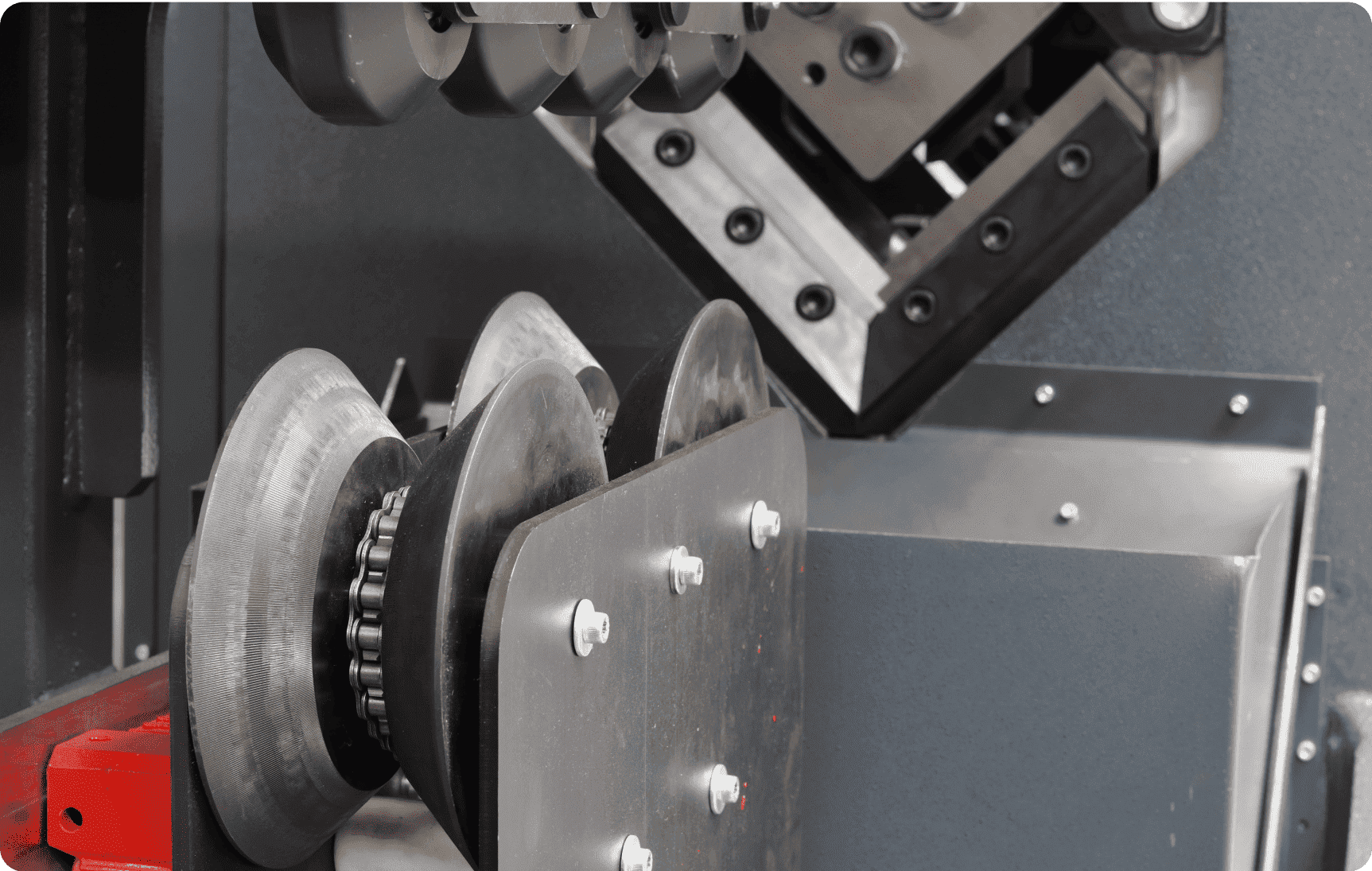
Angle and Flat Processing Machines
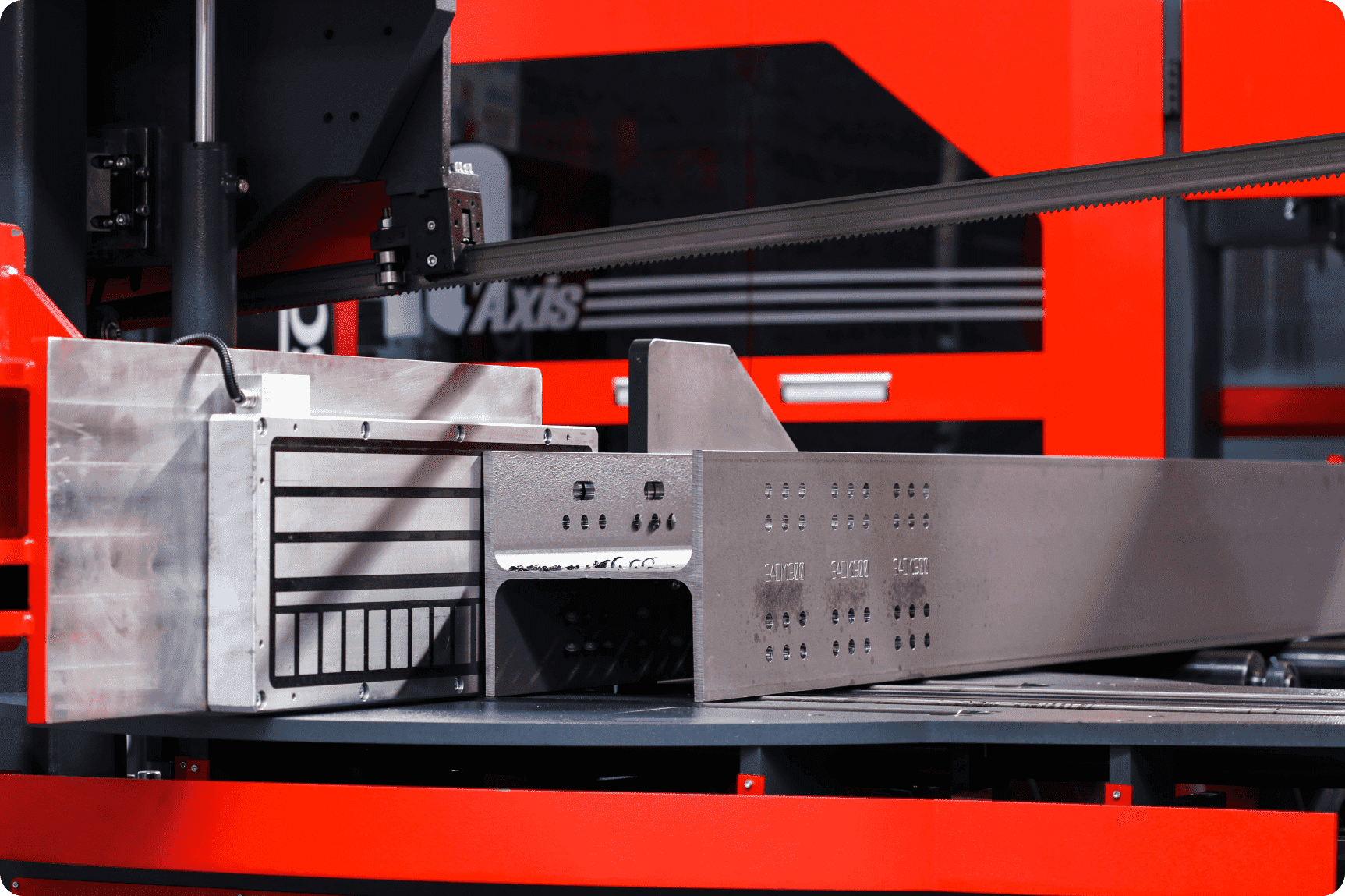
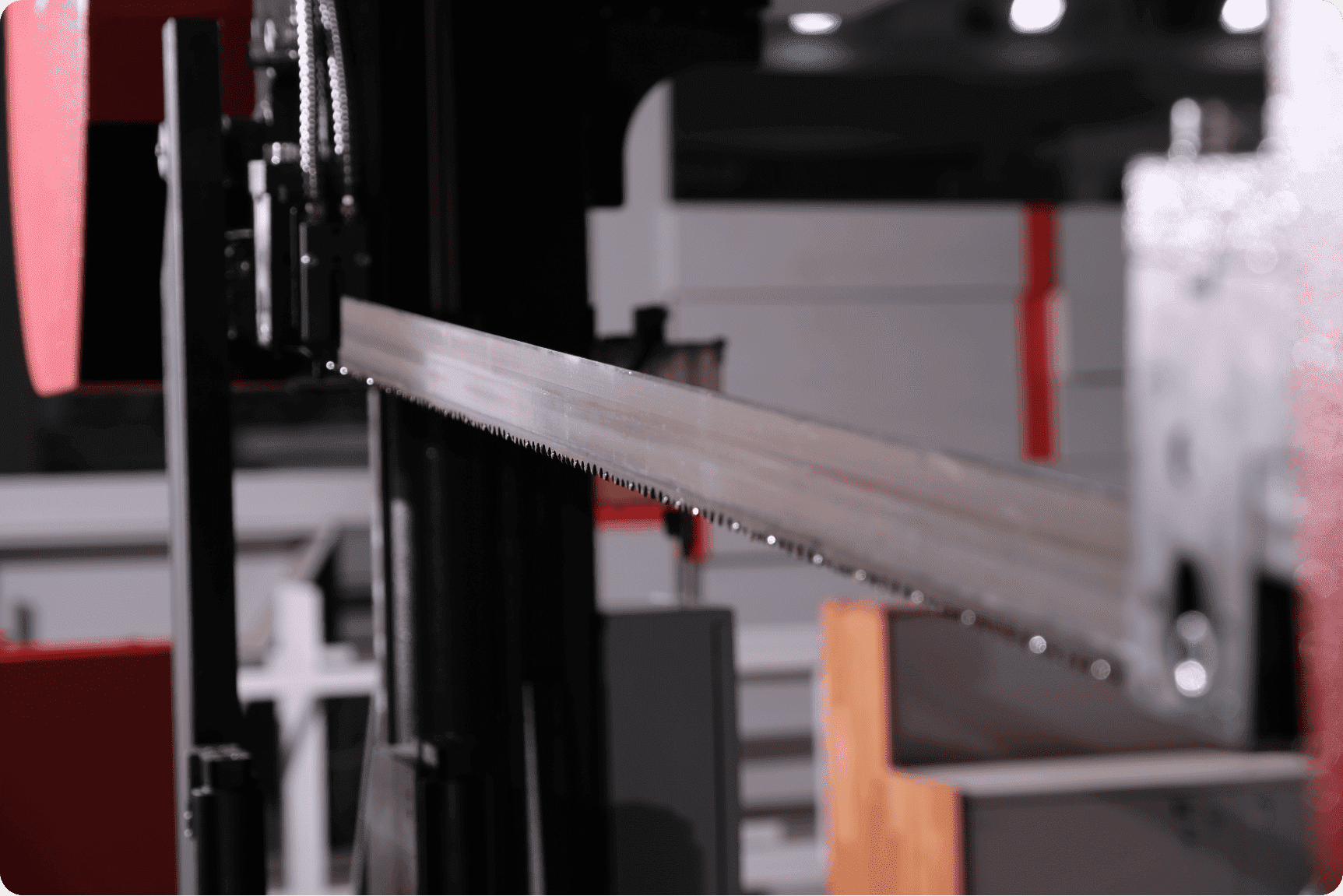
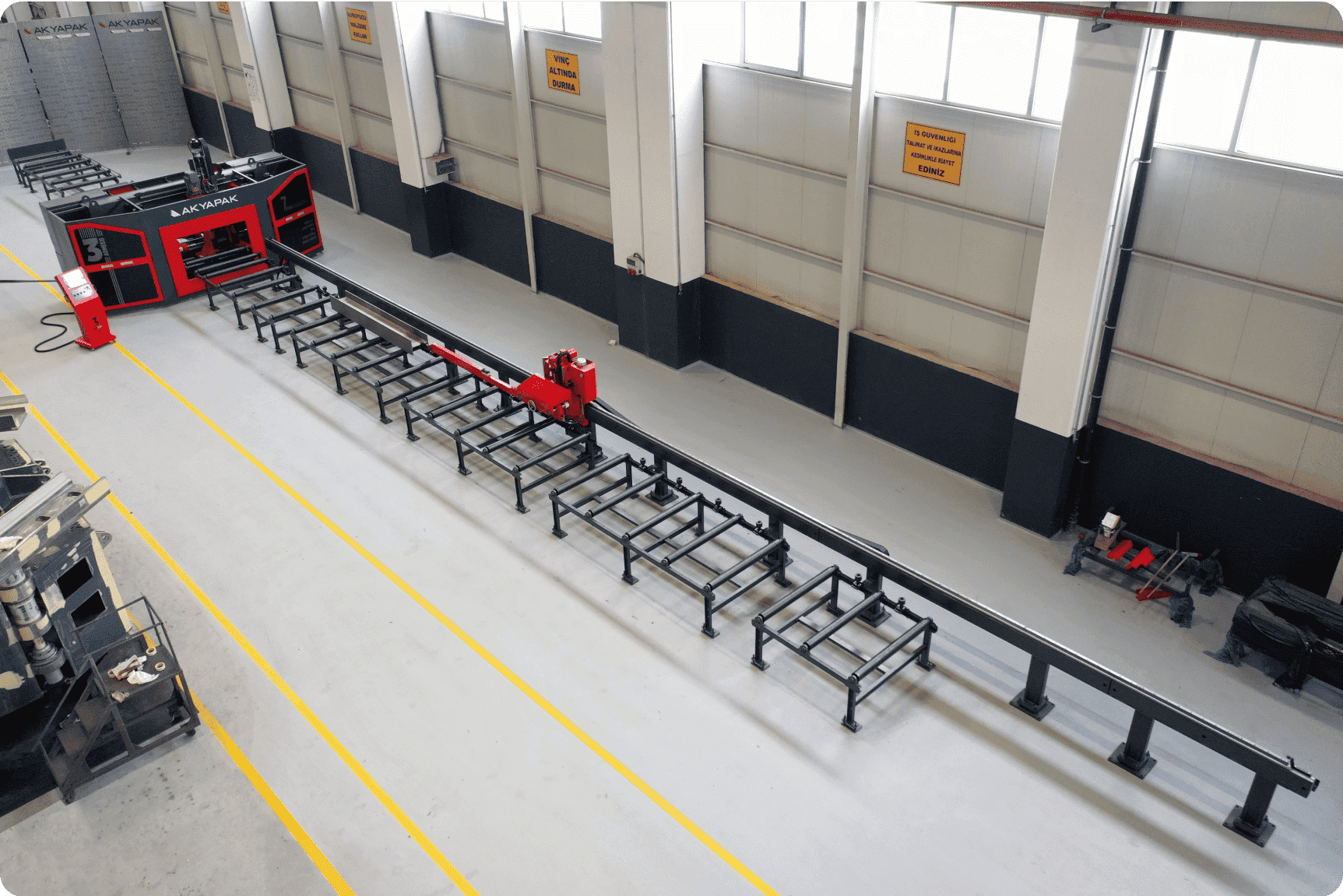
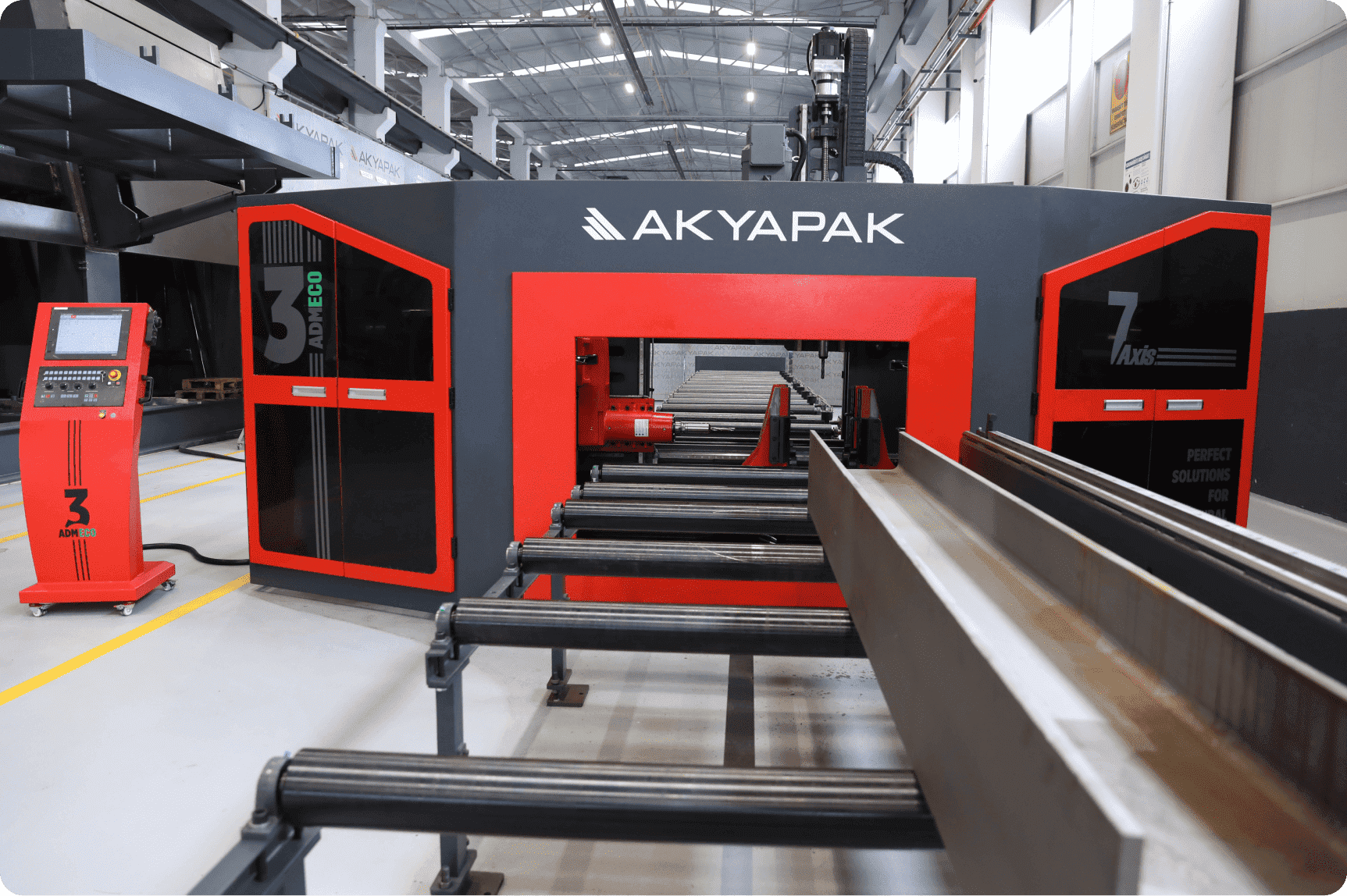
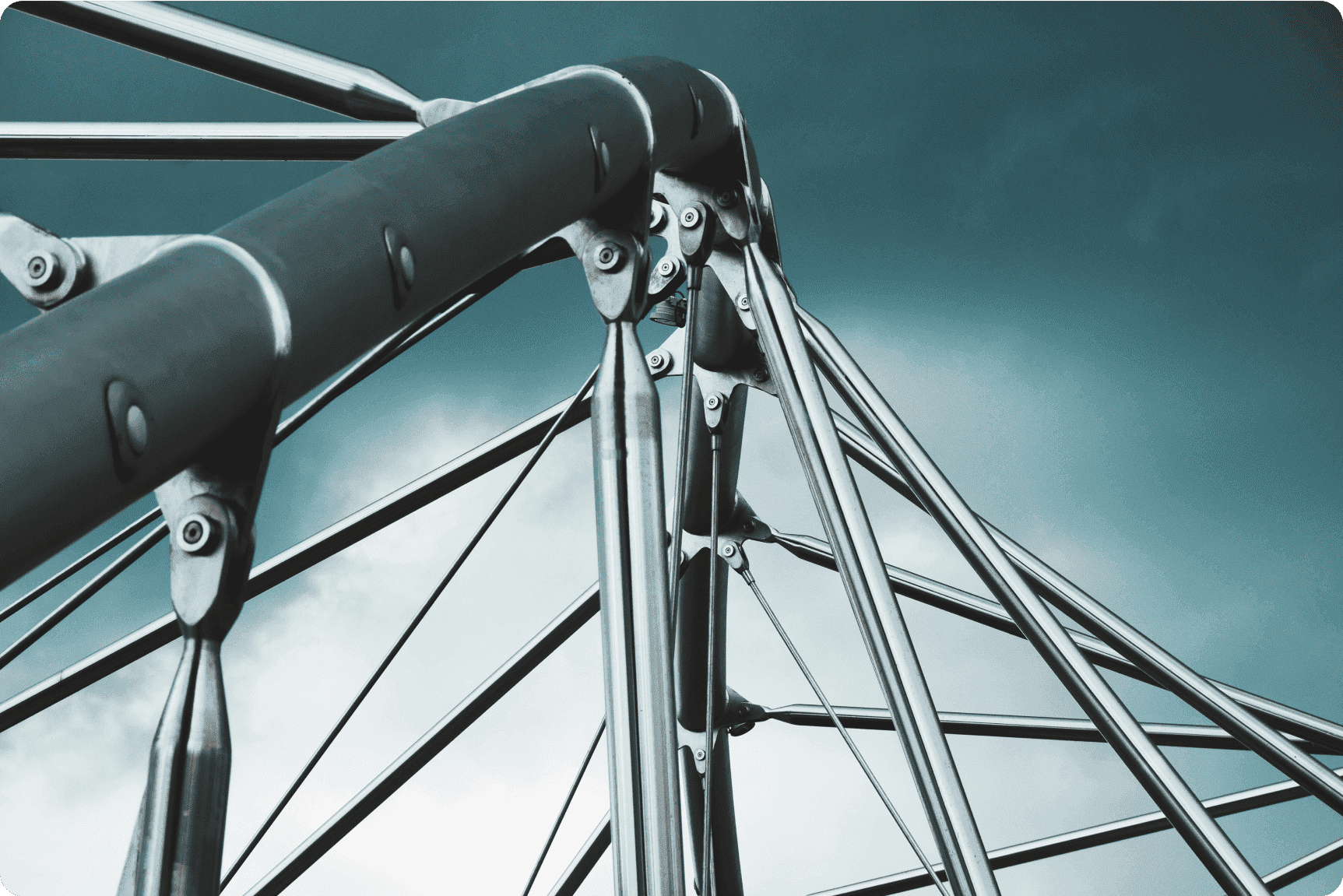
Structural steel beam processing machines play a crucial role in construction, infrastructure, or any industry that relies on metal, by ensuring the production of high-quality structural steel components. These machines are equipped with advanced CNC control systems to enhance precision and efficiency and are engineered to cut, drill, weld and shape steel and metal plates into various forms needed for buildings, bridges, and other structures.
These machines can manage a wide range of tasks and large volumes of metal, transforming it into the precise sizes and shapes specified by their users. Increased research by our engineers, combined with input from our customers, enables our models to outperform other CNC models in the industry when performing complex tasks that require minimal human involvement. Consequently, our models enhance speed, precision, accuracy, efficiency and safety in the metal processing industry in over 168 countries around the world.


.png)
Our structural steel beam processing machines are ideal for:
- Small, medium and large-sized structural steel fabricators
- High-volume steel fabrication and metal processing
- Heavy manufacturing
These machines are integral throughout the production stages in the steel fabrication sector, especially when precision and efficiency are paramount. They are indispensable during the initial metal processing phases and when fabricating components with exact specifications.
How Do These Machines Operate Without Human Error?
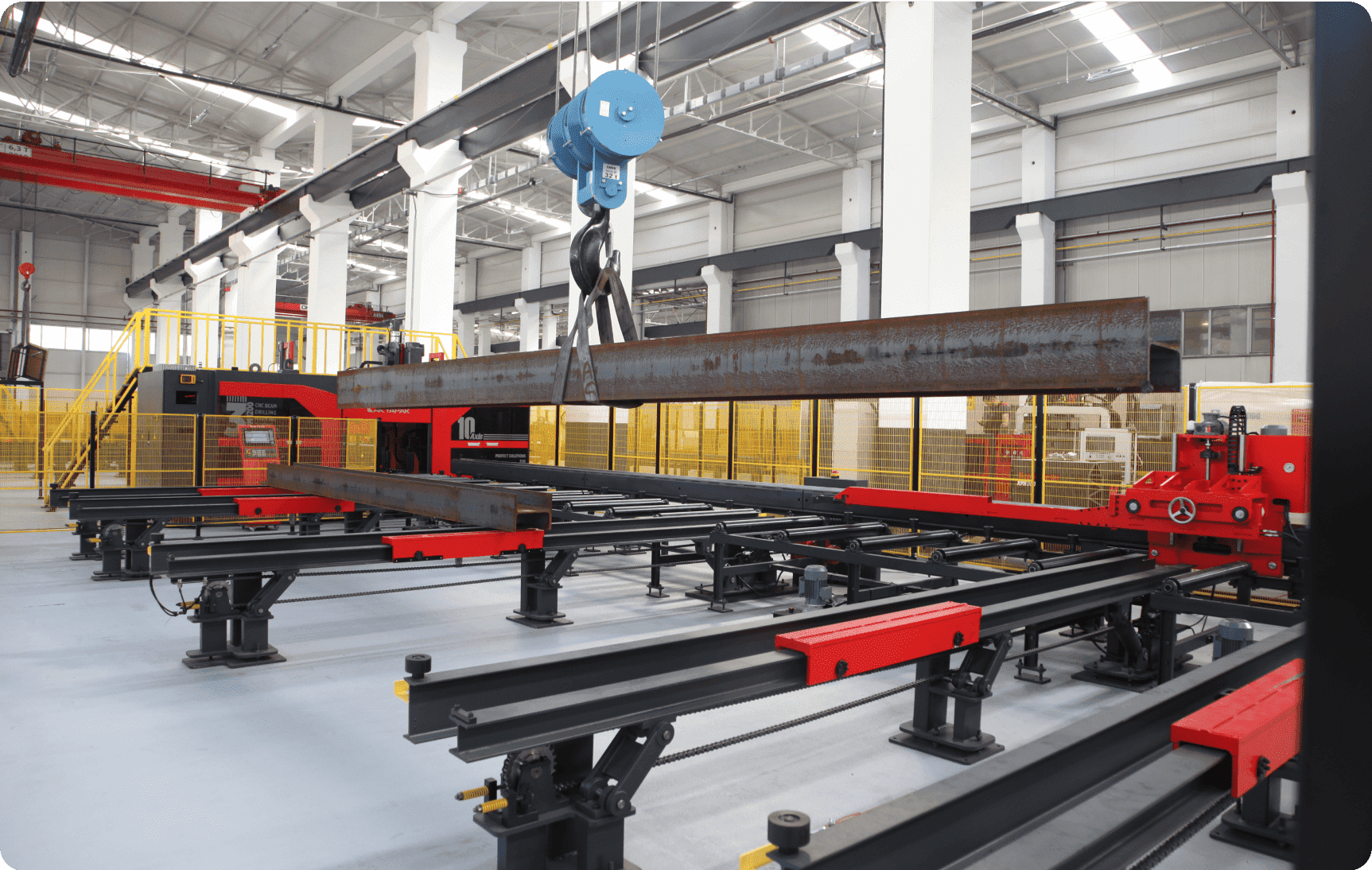
How Well Do These Machines Work With Other Equipment?

Where Are They Used?
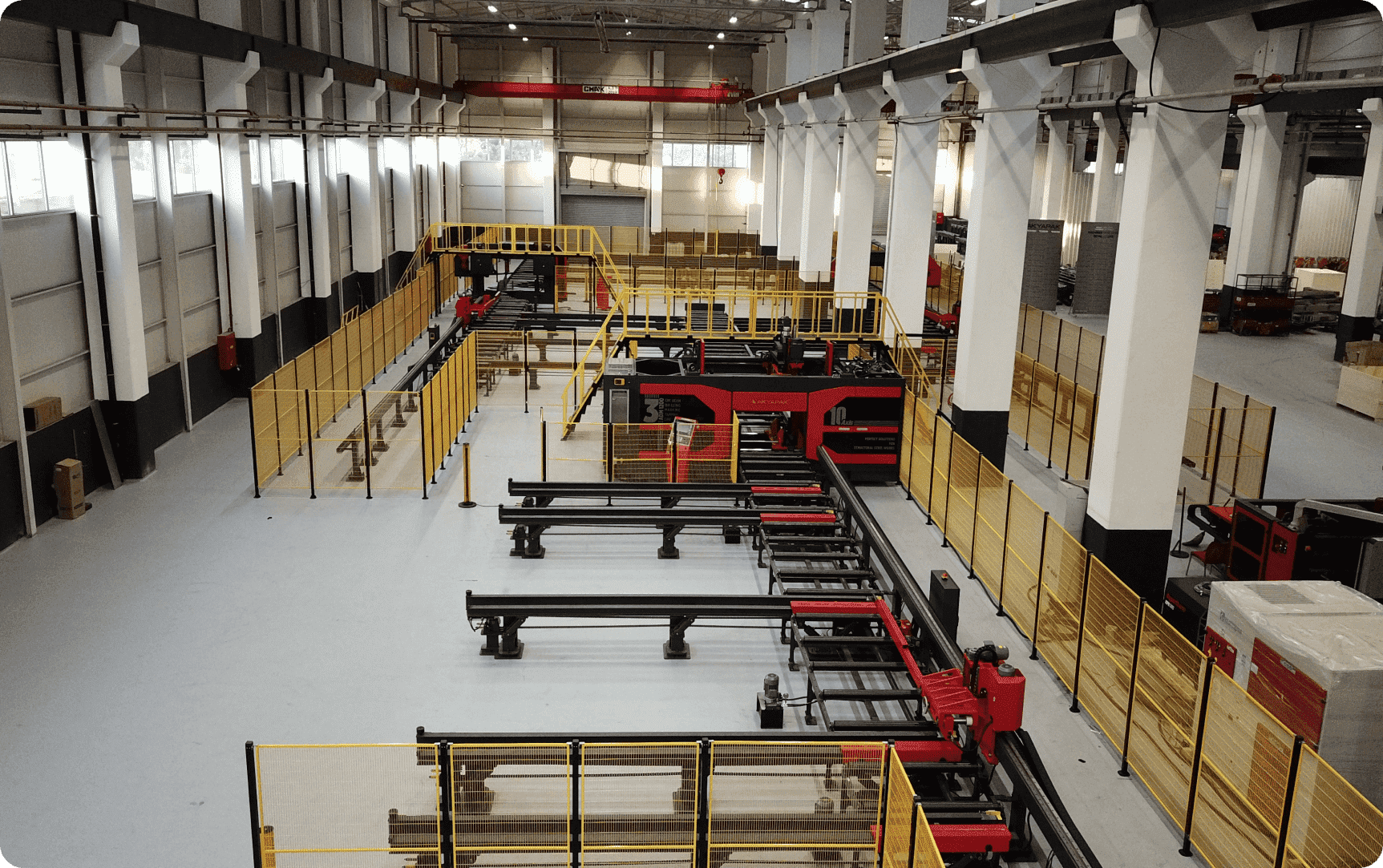
Structural steel and plate processing machines are used in fabrication shops, manufacturing facilities, and any industry that requires the processing of metal components.
Industries that frequently utilize these machines include:
- Construction, for creating steel frameworks for buildings and other structures
- Shipbuilding, for the production of ship components
- Automotive, for manufacturing various vehicle parts
- Industrial machinery manufacturing
- Small-scale construction projects needing specific metal components
- Production of industrial equipment
Can They Be Customized?
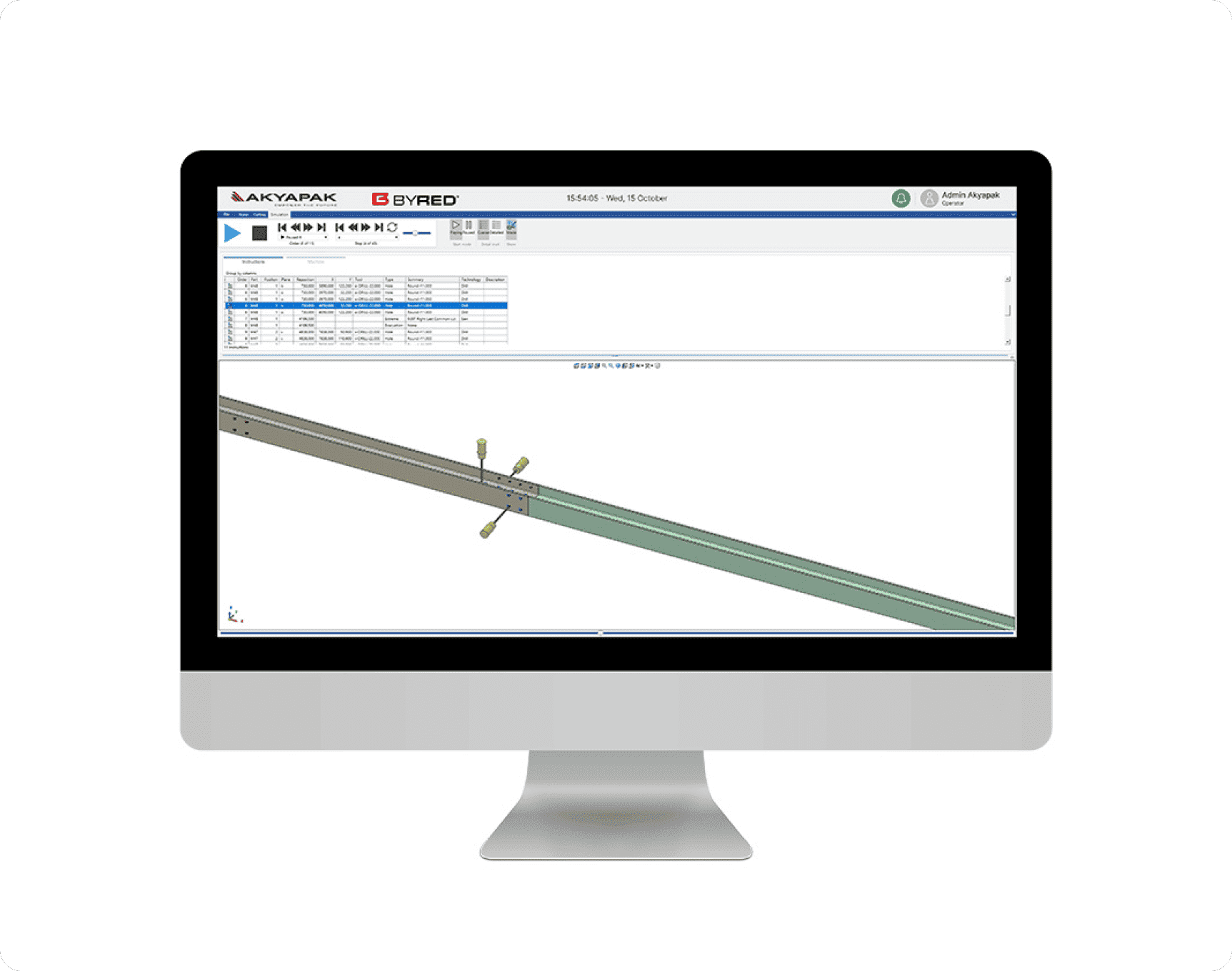
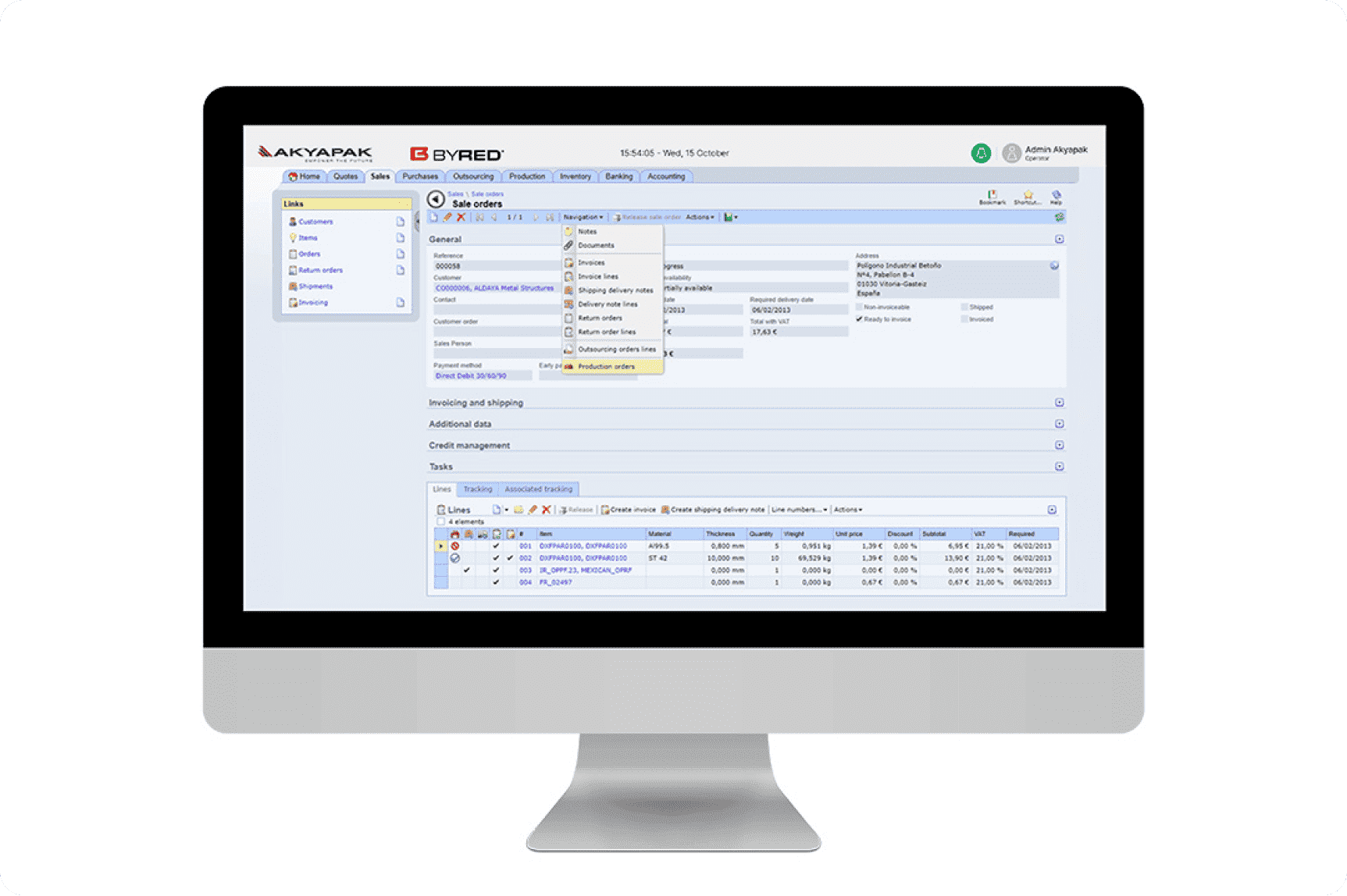
Our machines function through sophisticated software and automation technologies that provide precise control over cutting, drilling, milling, bending, welding, and shaping processes. Operators can program our machines for specific tasks to ensure consistent quality and efficient production.
While our machines meet the needs of most industries, we also offer customization options to better address the unique demands of different industries and projects. These options include, but are not limited to, specialized tooling, software integration, and enhanced automation features.
Will They Improve Production?
Are They a Worthwhile Investment?
Choosing the Right Machine for Your Needs:
Our structural steel beam processing machines play a crucial role in:
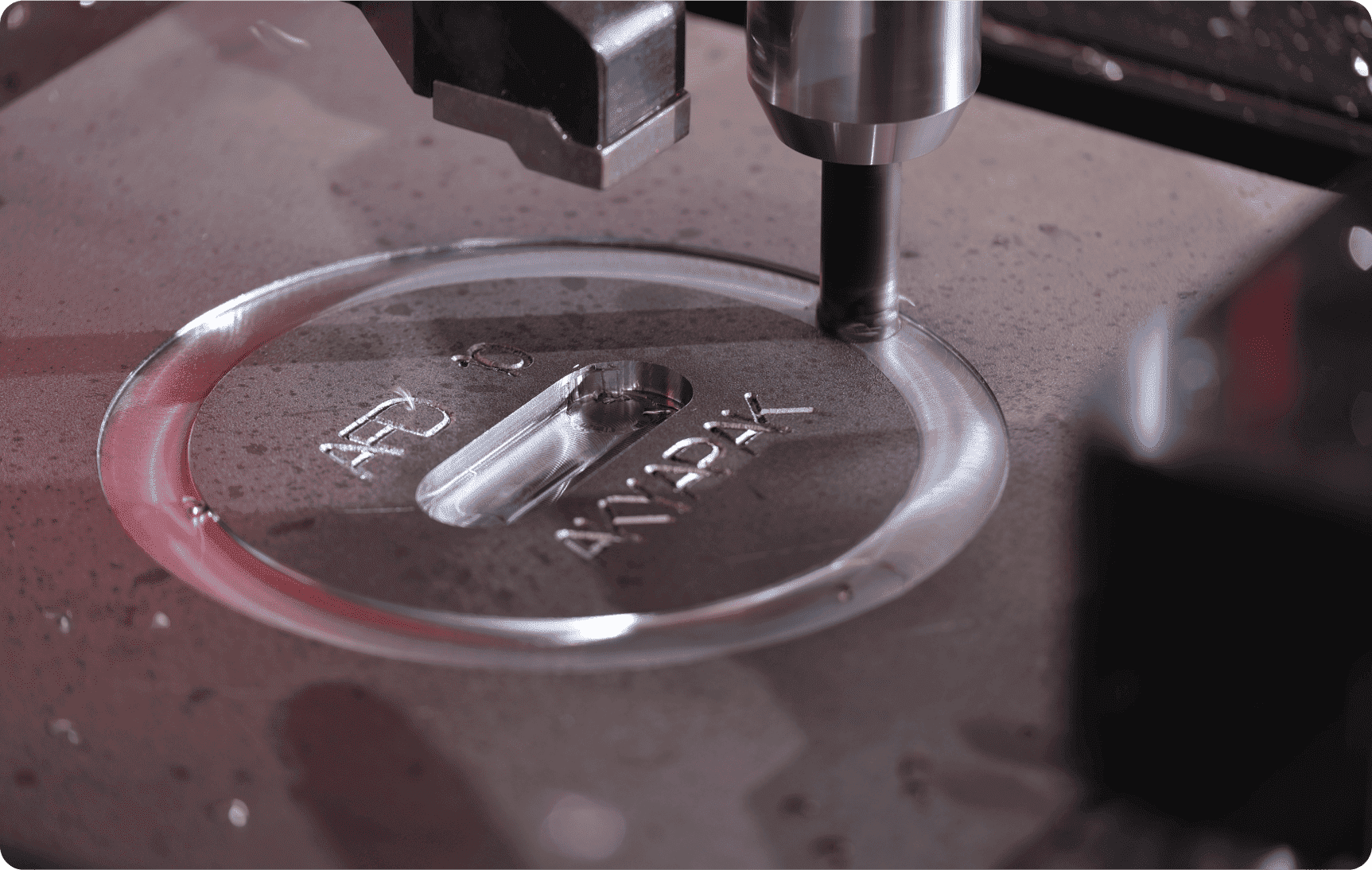
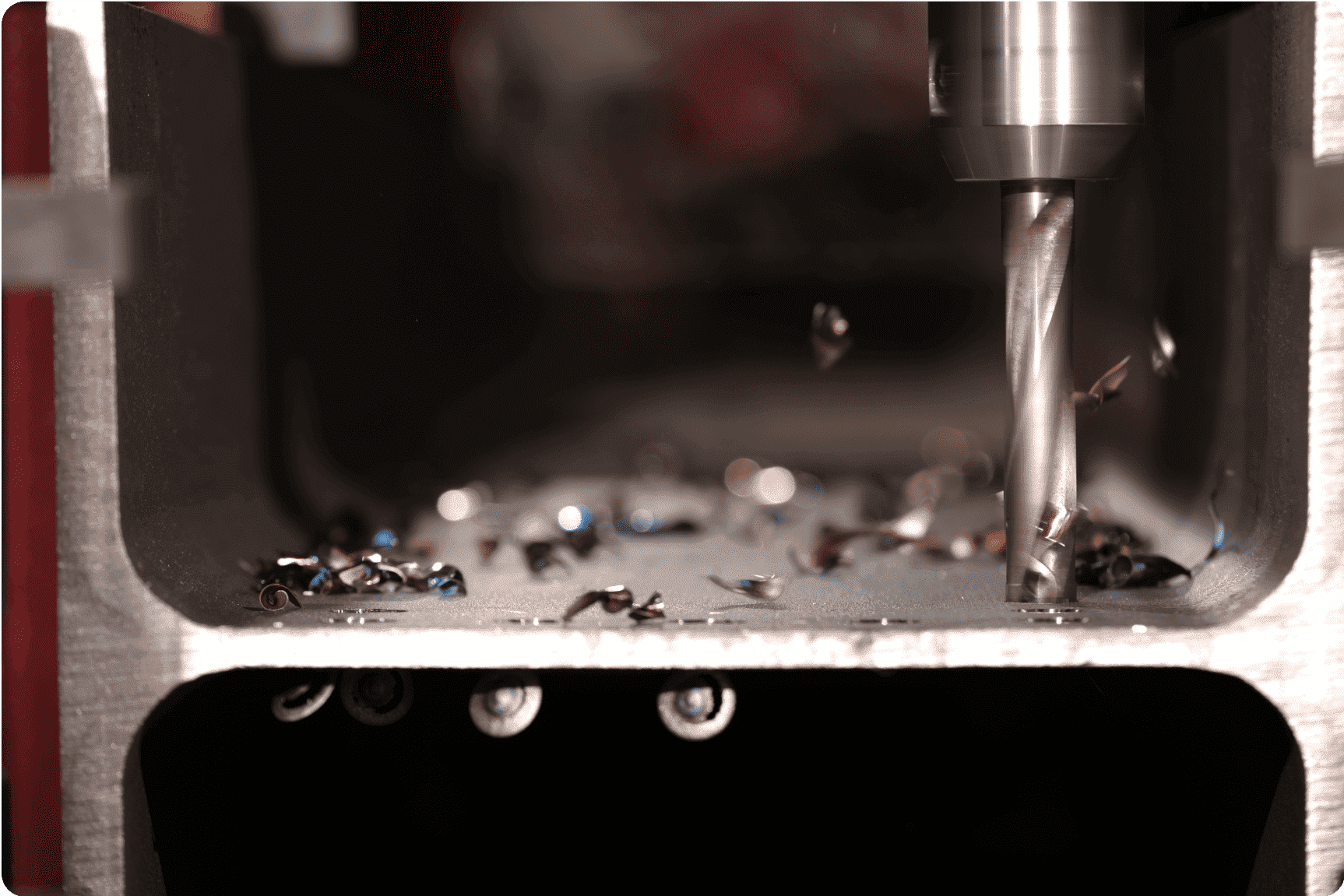
- Rapid and precise drilling and milling operations
- Managing a variety of structural steel profiles, such as beams, plates, and sheets
- Performing automated tasks like drilling, countersinking, and threading
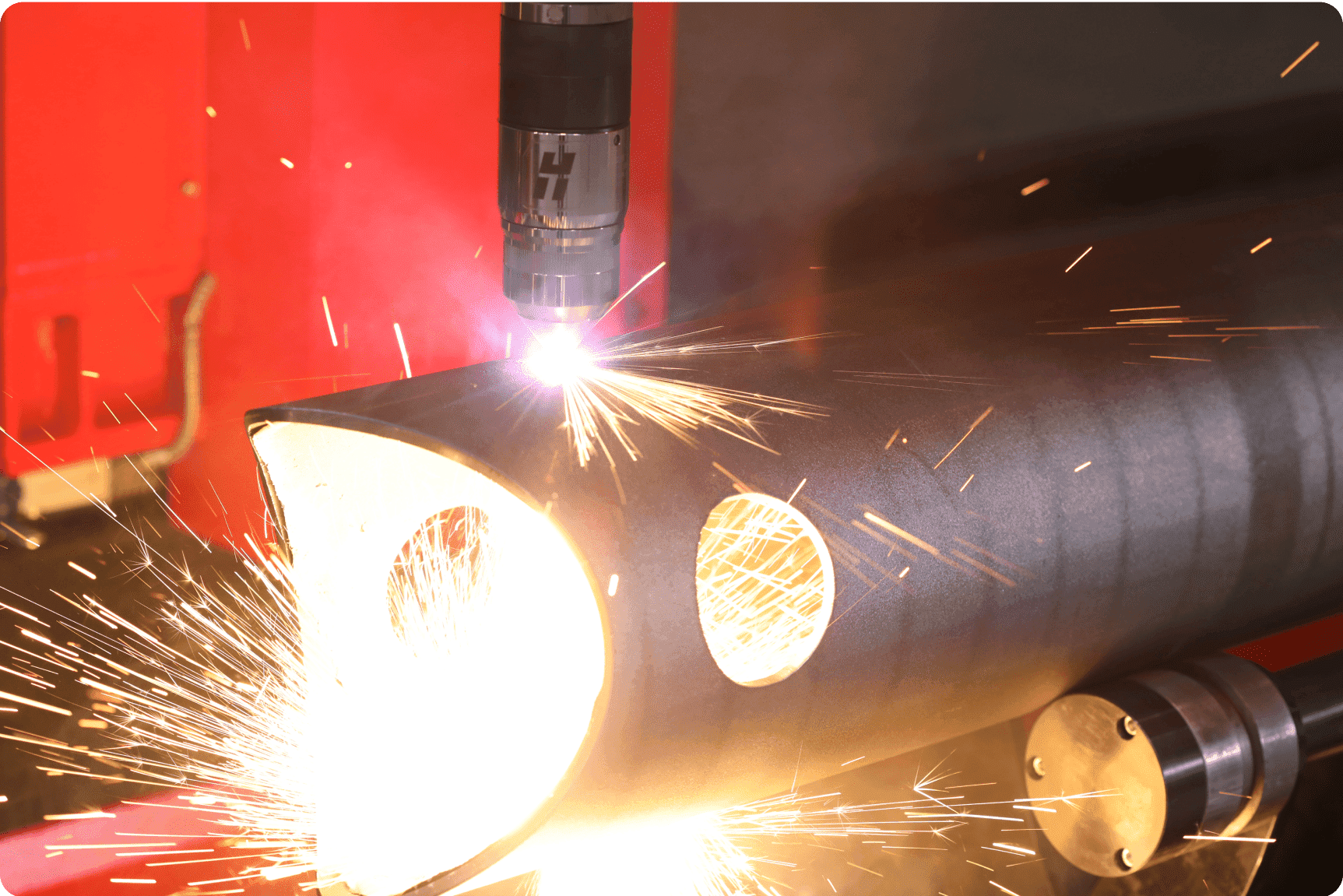
- Accurately marking and cutting metal profiles
- Effectively processing beams and metal parts
- Producing superior quality drilled and marked structural steel components
Selecting the right machine involves considering the specific requirements of your project. Factors such as material thickness, production volume, required tasks and the complexity of the tasks at hand, will all influence your choice.
Beam and Plate Drilling
Angle and Flat Processing
Thermal Cutting
Sawing